
From origin to destination, stage by stage.
A physical trade moves through seven stages. For each one, this page sets out what happens and what a buyer or supplier should expect to agree.
The seven stages
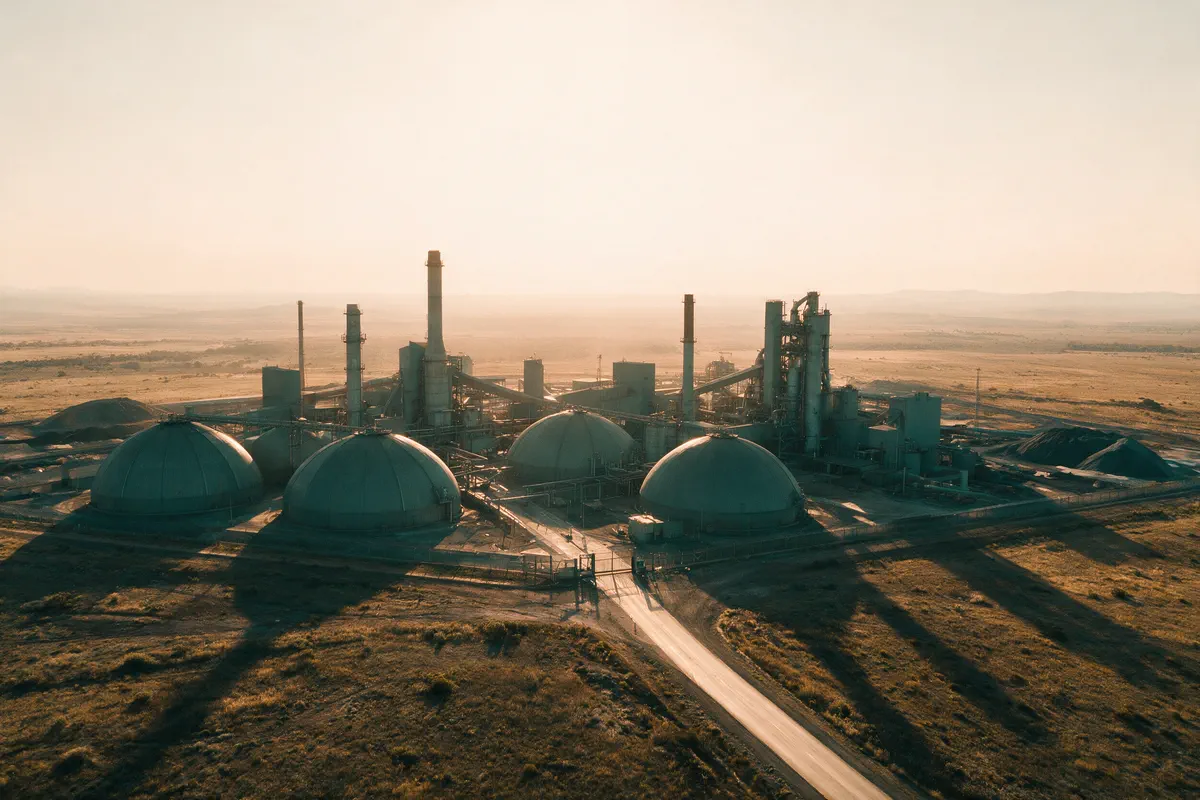
Stage 1: Sourcing and product identification
Every trade starts with the right material. We identify a source whose product matches the buyer's requirement and confirm what the material is before discussing terms.
- Buyer requirement and end use
- Producer or supplier identification
- Sample or product data review
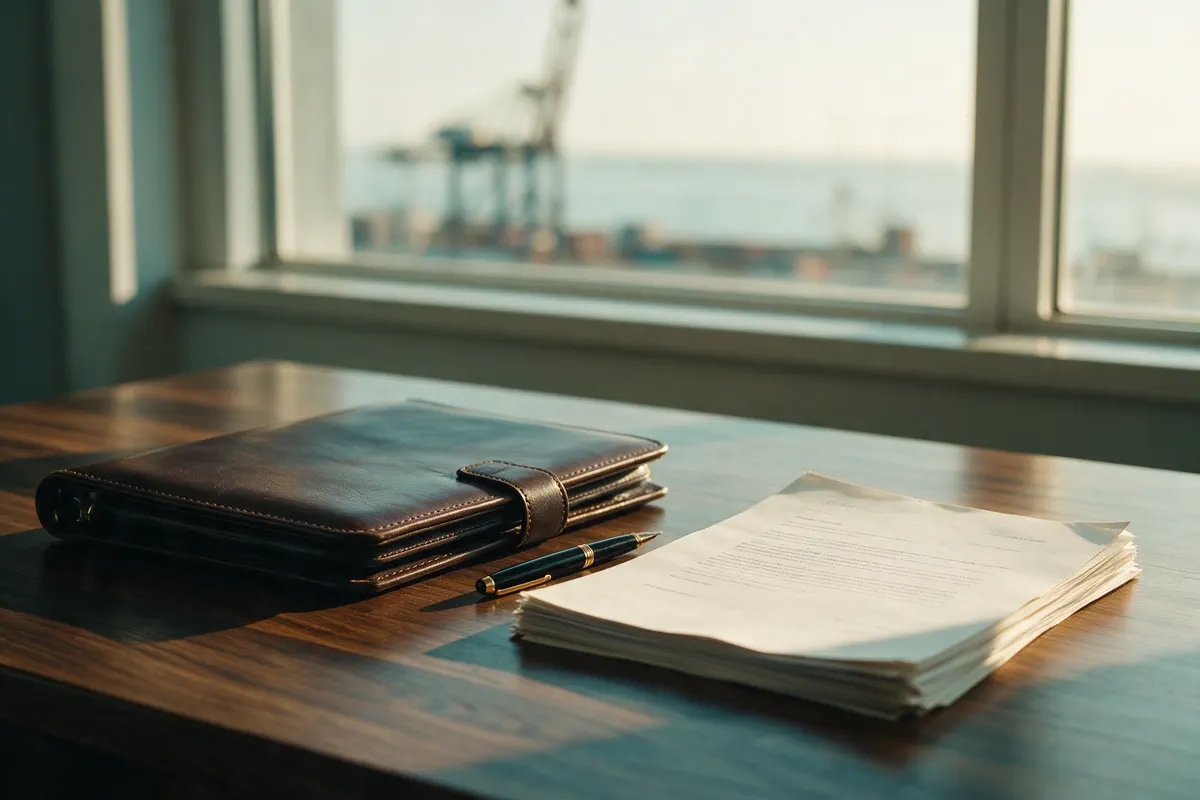
Stage 2: Specification and documentation
The specification is set out parameter by parameter and tied to the documents that will evidence it: analysis certificates, inspection reports and origin documents as the contract requires.
- Agreed specification parameters
- Certificates and test methods
- Independent inspection where agreed

Stage 3: Commercial structure
Price basis, delivery terms, payment mechanism, inspection and risk transfer are agreed and recorded. The structure decides who is responsible for each later stage.
- Delivery terms and risk transfer
- Payment mechanism and documents
- Tolerance and quality provisions
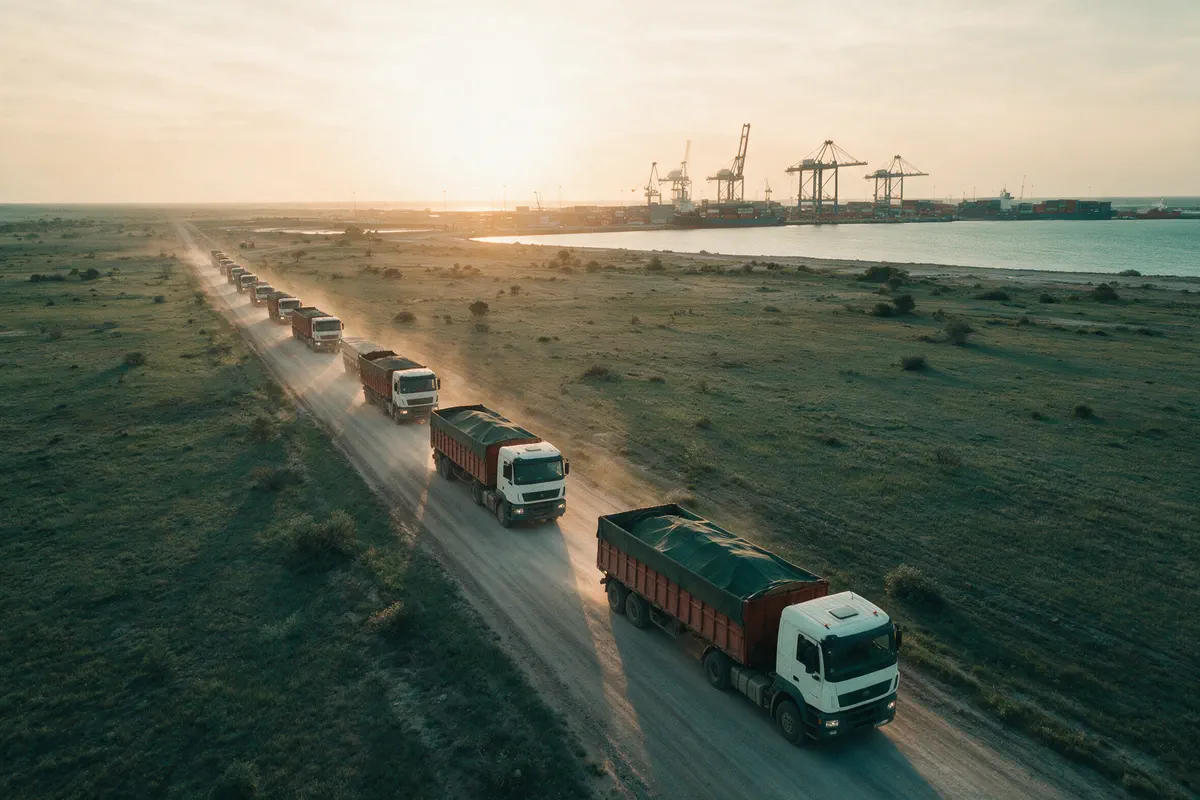
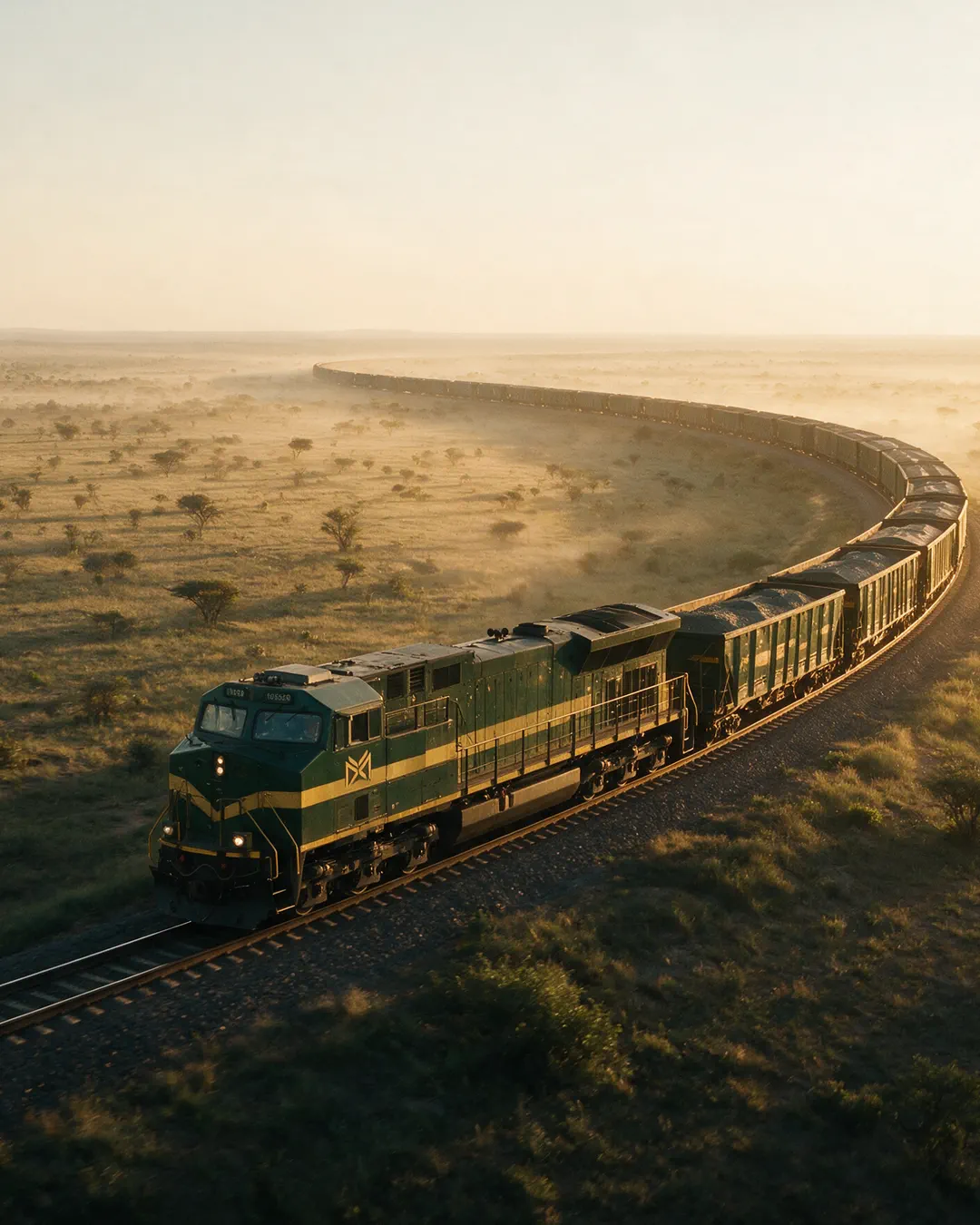
Stage 4: Handling and inland movement
Material moves from the producer to the export point by road, rail or both, following the handling and packaging requirements for the product.
- Bulk or packaged handling
- Road and rail legs
- Storage before loading where needed
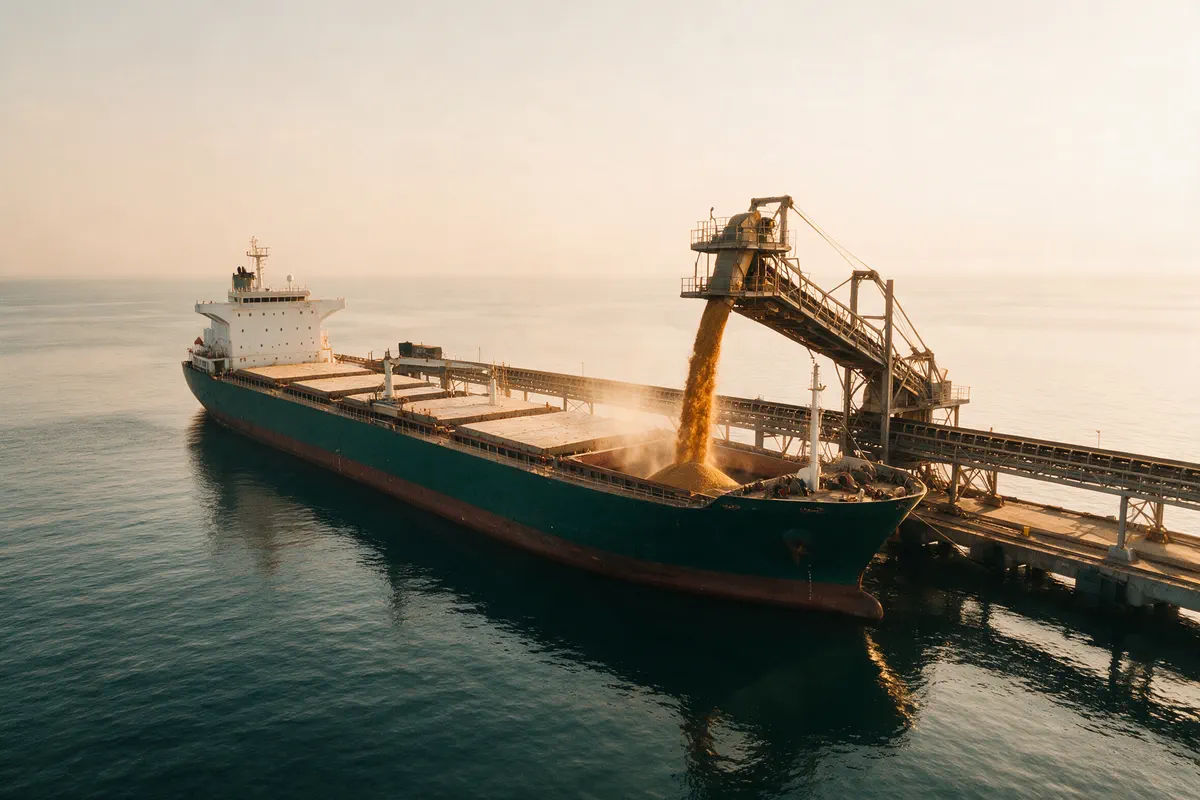
Stage 5: Port loading
At the port the cargo is weighed or tallied, sampled where agreed and loaded, in bulk or in containers depending on the commodity.
- Draught survey, weighbridge or tally
- Loading supervision where agreed
- Shipping documents issued
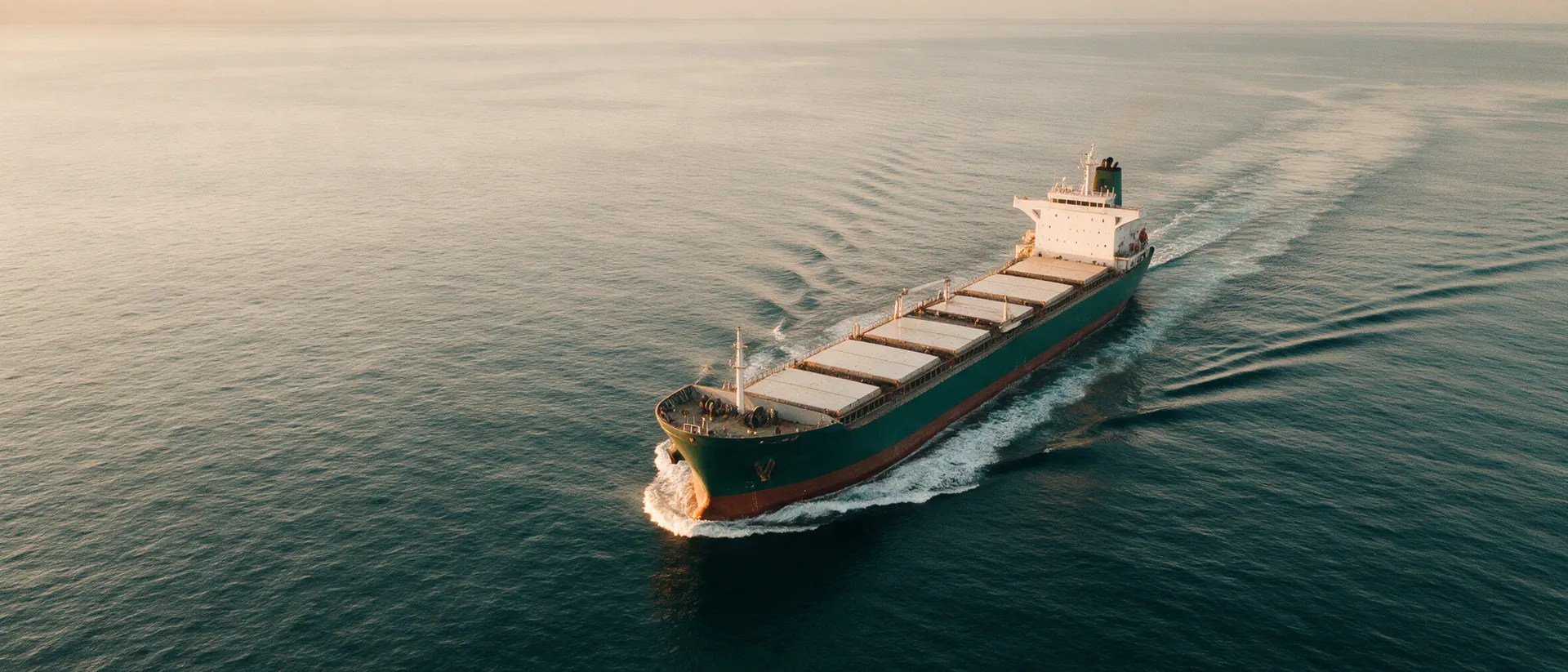
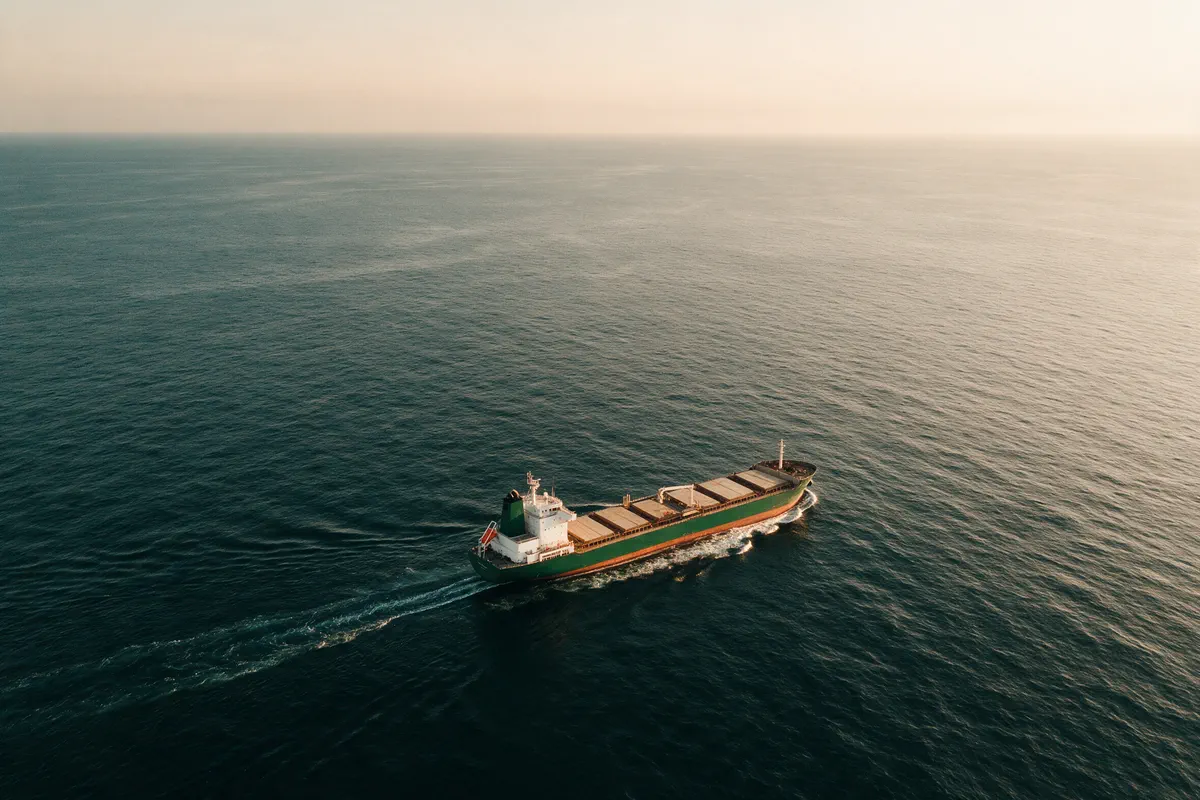
Stage 6: Ocean transit
Cargo travels to the destination port under the shipping arrangements agreed in the contract, with documents moving in parallel.
- Vessel or container booking per contract
- Document flow to the buyer or bank
- Arrival notification
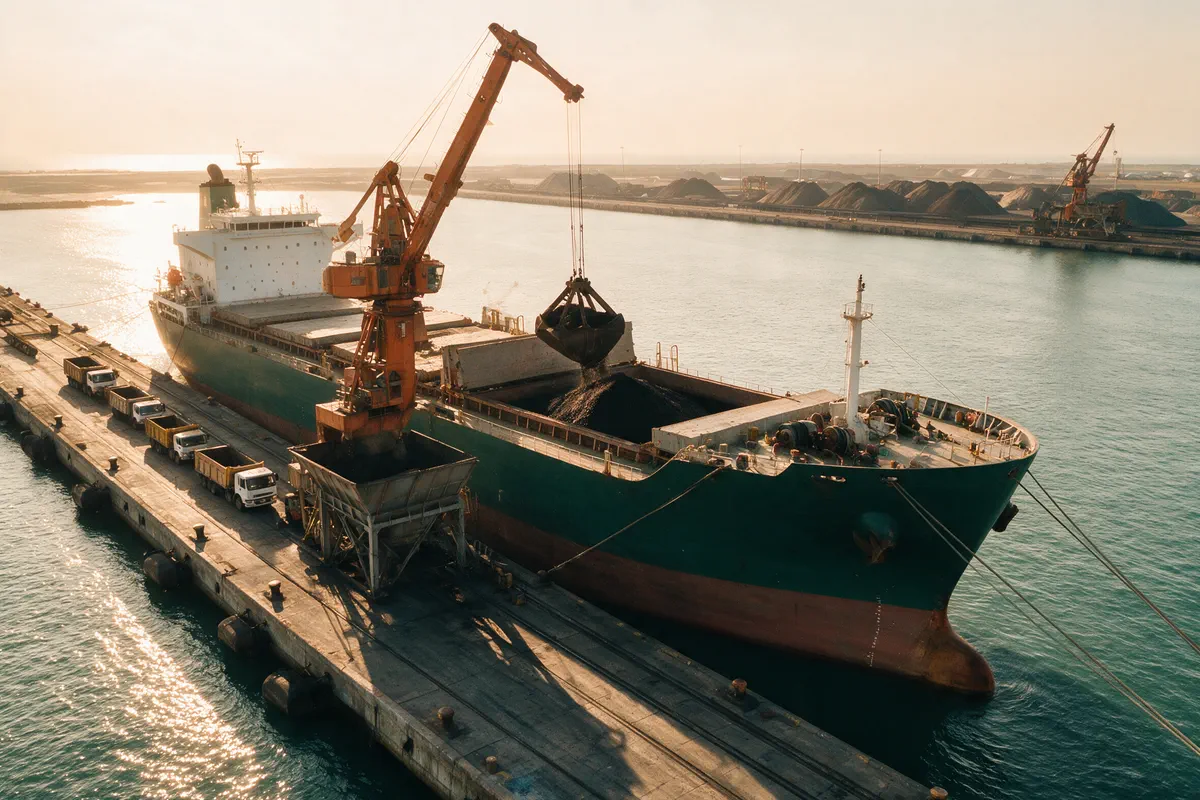
Stage 7: Destination discharge or handover
At the destination the cargo is discharged, received and checked against the agreed quantity and specification before handover.
- Discharge and receiving
- Outturn quantity and quality
- Handover to the buyer
Who does what
Terminals, shipping lines, inspection companies, hauliers and warehouses are typically independent parties engaged under each contract. The images on this page illustrate the process; they do not show Meridara assets or specific Meridara shipments.
The delivery terms agreed for each trade decide who arranges and pays for each stage, and when risk passes from seller to buyer. We set those responsibilities out before a contract is signed.
Four regions
Meridara sources commodities and connects with buyers across Africa, Australia, China and the Middle East.
Africa
Sourcing commodities and connecting with buyers across African markets.
Australia
Home of Meridara's owner, Soulciety Group Pty Ltd, and part of its sourcing and buyer network.
China
Sourcing commodities and connecting with buyers in one of the largest commodity markets.
Middle East
Covered through Meridara's presence in Dubai.
Planning a shipment?
Tell us the commodity, the origin and the destination. We will discuss how the trade could be structured.